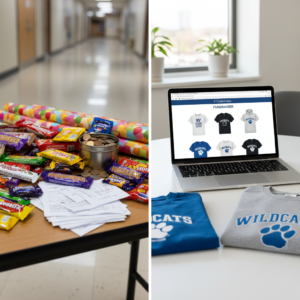
Parent participation is the biggest challenge in school fundraising. The same few families end up doing everything, while everyone else ignores the sign-up sheet. The fix is not more pressure, it is making participation easier, clearer, and more rewarding.
If your booster club is tired of getting crickets after every fundraiser announcement, this guide gives you seven practical ways to get more parents involved without burning out the same volunteers every time.
Quick Takeaways
- Make every ask specific and time-boxed.
- Let parents choose how they want to help.
- Promote fundraisers on the channels parents actually use.
- Offer ways to contribute without volunteering time.
- Recognize people publicly so participation feels valued.
1. Make Participation Easy and Specific
The biggest reason parents do not volunteer is simple, they do not know exactly what you need from them. “We need help” is too vague. A parent with a full schedule is much more likely to respond to a specific task than to an open-ended request.
What works instead is breaking work into small, clear pieces. Ask for two hours at the concession stand, a single chair setup task, or one donation item. When participation feels manageable, more people say yes.
2. Eliminate the Ask Burden
Most schools rely on the same 3 to 5 parents to do everything. That group gets overloaded because everyone else is waiting to be asked personally. Do not make help depend on a face-to-face conversation or repeated follow-up messages.
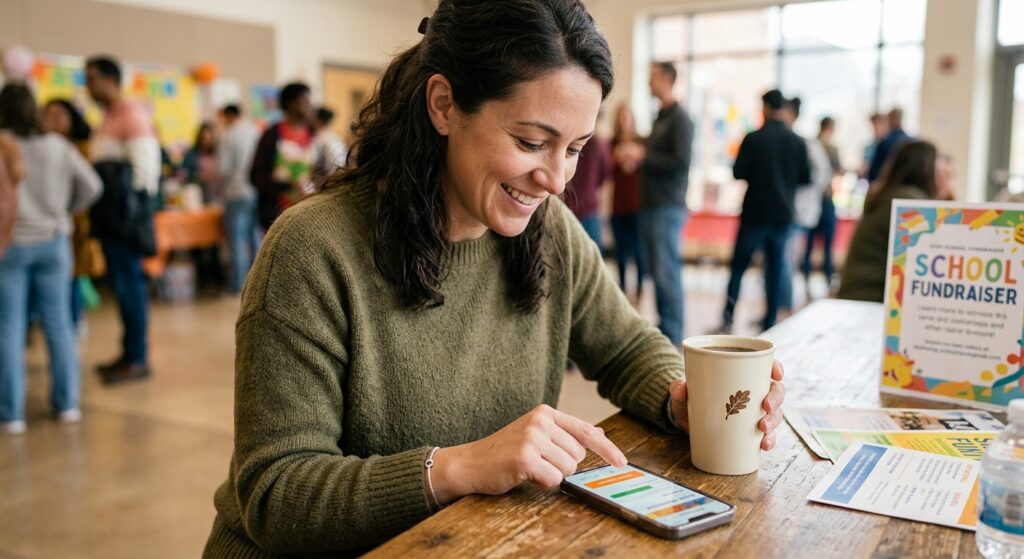
Use a sign-up system that lets parents choose their own involvement. Keep volunteer slots open early, and make the first step easy. Even simple actions like sharing a post or forwarding a fundraiser link count as participation.
3. Communicate Where Parents Already Are
If your fundraiser only lives on a school website that nobody checks, it will not move. Parents need to see the message where they already spend time.
Use a mix of group texts, social media, email, and game-day announcements. Most parents need to see a message several times before they act, so repetition matters. Keep the message consistent across every channel.
4. Give Parents an Easy Way to Contribute Without Volunteering
Not every parent can give time. Work schedules, childcare, and other obligations make that impossible for a lot of families. But that does not mean they cannot help.
Offer options like direct donations, spirit merchandise purchases, sponsorships, and social sharing. A parent who cannot work the concession stand may still buy a shirt, share a fundraiser link, or connect you with a local business sponsor.
5. Recognize and Appreciate Contributors
People volunteer more when they feel seen. If the same families are doing everything and getting no recognition, they will eventually stop showing up. A little appreciation goes a long way.
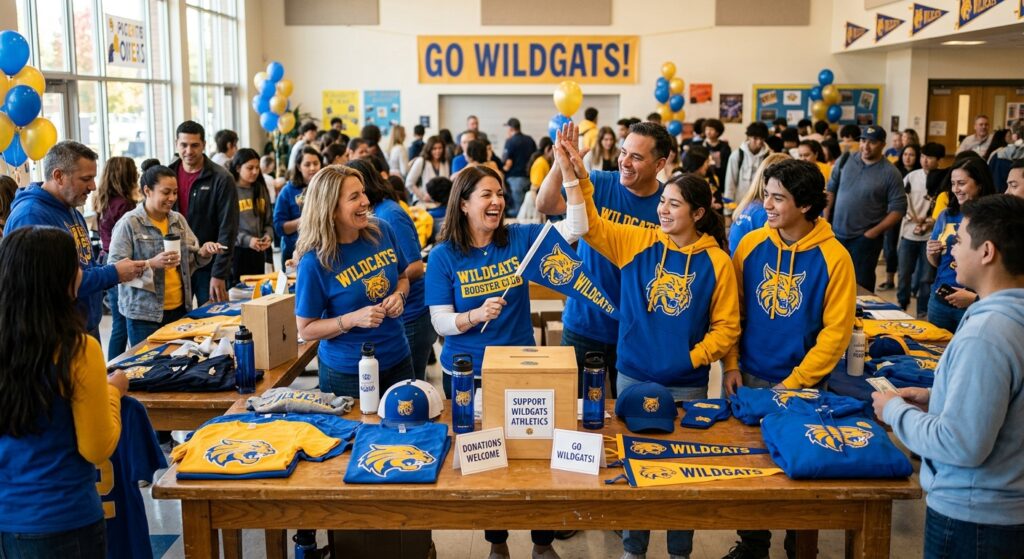
Thank volunteers publicly at games and events, feature them in newsletters or social posts, and give small rewards when possible. Even simple recognition makes families feel like insiders instead of invisible labor.
6. Make the Event Feel Worth Supporting
Parents are more likely to participate when they understand what the fundraiser actually supports. Do not treat the ask like a generic money grab. Show the outcome.
Explain what the money helps fund, whether that is uniforms, travel, equipment, or student activities. When parents can picture the result, the fundraiser feels more meaningful and less like another obligation.
7. Follow Up Without Nagging
Most people do not ignore fundraisers because they are opposed to helping, they forget. A gentle follow-up is necessary. The key is to be persistent without sounding desperate or annoying.
Send a reminder with a clear deadline, a simple call to action, and one sentence about why it matters. Keep it short. The easier the next step looks, the more likely people are to take it.
Final Thought
You do not need a miracle to improve parent participation. You need fewer barriers, clearer asks, and better communication. When parents know exactly how to help, more of them will actually do it.
That is what makes school fundraisers work, not pressure, but clarity.